


Luxury Is More Than Wealth: Build, Protect, and Create a Lasting Legacy

Luxury can be loud, but the kind that endures is usually quiet. It shows up in decisions made before anyone applauds them. It lives in habits, values, ownership, resilience, and the kind of planning that gives future generations more than assets.
“Luxury isn’t simply having more. It’s having the wisdom to build, the discipline to protect and the vision to create a legacy that outlives you.”
That line reframes the entire idea. Luxury is often treated as a finish line, a reward marked by rare objects, exclusive rooms, or visible abundance. Yet the deepest form of luxury is not consumption. It is control over time, peace of mind, and the ability to shape something meaningful enough to last.
Wealth can buy comfort. Legacy requires something more demanding. It asks for judgment, restraint, patience, and purpose.
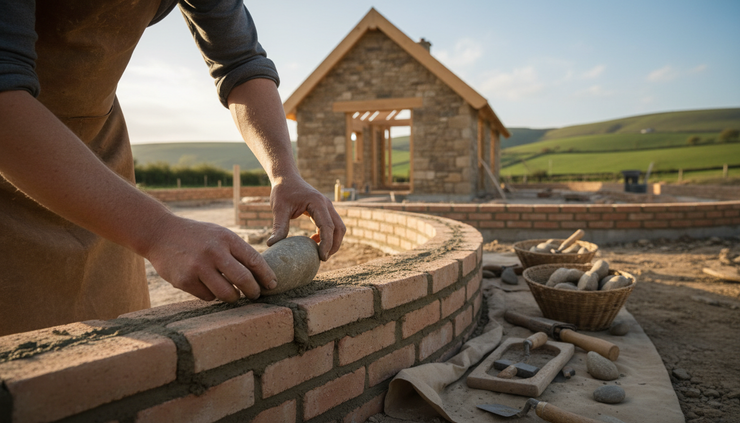
Real luxury begins with the wisdom to build
Building is more than earning. It is the choice to create something that can stand without constant rescue.
A person can have a high income and little stability. A family can own impressive things and still lack direction. By contrast, builders think in systems. They ask different questions.
What creates value over time?
What skills, relationships, and assets deserve careful attention?
What kind of life will this support when circumstances change?
The wisdom to build starts with understanding the difference between appearance and substance. Appearance is immediate. Substance compounds.
A fine home may signal success, but the real asset is the thinking behind it. Was it bought to impress, or chosen to support a stable family life? Was it overextended, or was it part of a larger plan? The object alone does not define luxury. The foundation does.
The same applies to careers, companies, investments, and creative work. Durable builders tend to share a few traits:
They value ownership over applause.
They protect their attention from constant noise.
They learn before they expand.
They choose quality because it lasts, not because it flatters.
They know that patience is often more profitable than speed.
That last point matters. Much of modern culture rewards fast wins. Real luxury is often slow. It may look like years of disciplined saving. It may look like maintaining a property instead of upgrading it too soon. It may look like learning a skill deeply enough to make it useful for decades.
Building also includes the invisible work of becoming the kind of person who can handle more. More responsibility. More opportunity. More trust. More wealth.
Without that inner structure, success can become fragile. With it, growth has somewhere to live.
Protection is a form of respect
Building without protection is carelessness dressed as ambition.
A legacy can be weakened by neglect, poor decisions, unclear agreements, family conflict, unnecessary risk, or simple lack of preparation. Protection is not fear. It is respect for the work it took to build in the first place.
This is especially true when money enters the picture. Wealth often creates choices, but it also creates exposure. The larger the life, the more carefully it must be organized.
Protection can take many forms:
Clear estate planning
Appropriate insurance
Thoughtful tax planning
Careful recordkeeping
Healthy boundaries around lending or giving
Honest conversations with heirs
A written plan for important assets
Trusted legal and financial guidance
This article is informational only and should not be treated as legal, tax, or financial advice. Complex decisions deserve help from qualified professionals who understand the full picture.
Still, the principle is simple. What matters should not be left to chance.

Protection also includes emotional discipline. Many fortunes shrink because someone confuses access with freedom. Easy access to money can invite impulsive choices. Easy access to status can invite performance. Easy access to comfort can weaken resilience.
The discipline to protect asks for restraint.
It says no when yes would feel exciting but reckless. It keeps promises even when no one is watching. It avoids the trap of funding every desire simply because the funds exist.
This kind of discipline does not make life smaller. It makes life safer for what matters most.
Think of a historic home. Its beauty does not survive by admiration alone. Someone has to repair the roof, preserve the woodwork, keep moisture out, and respect the materials. Protection is the unglamorous care that allows beauty to endure.
A legacy works the same way.
Vision gives wealth a moral direction
Money without vision often becomes motion without meaning. It keeps moving, but toward what?
Vision answers that question. It turns success into stewardship.
A lasting legacy is not only measured by what gets transferred. It is measured by what gets taught, modeled, and repeated. The next generation may inherit property, accounts, land, art, or a business. Yet if they do not inherit judgment, gratitude, and responsibility, the physical assets may not last.
Vision gives wealth a moral direction. It asks:
What values should this wealth serve?
Who should benefit from it?
What should never be sacrificed for more?
What kind of name should remain when the money changes hands?
What responsibilities come with privilege?
These are not abstract questions. They shape real choices.
A family with vision may fund education before luxury purchases. A founder with vision may train successors long before stepping away. A collector with vision may document the story behind each piece, so the collection does not become a pile of expensive objects with no memory attached.
Vision also keeps legacy from becoming vanity. There is a difference between wanting to be remembered and creating something worth remembering.
The strongest legacies usually serve beyond the self. They support families, neighborhoods, employees, students, artists, causes, or institutions. They improve the lives of people who may never know every sacrifice that made the gift possible.
That is part of the beauty. Legacy does not require constant credit.
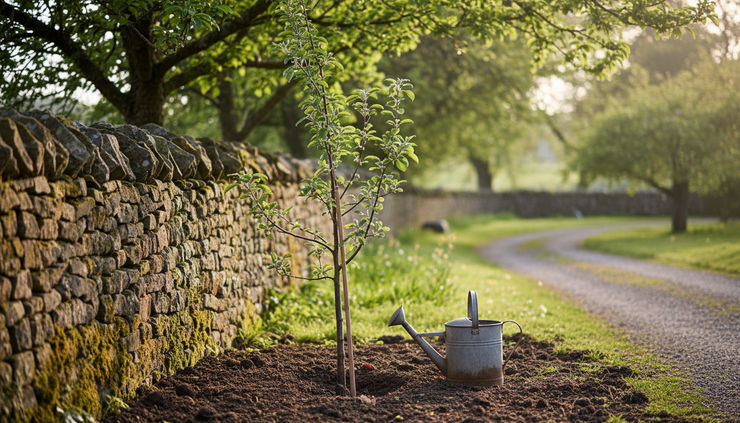
Vision also changes how luxury feels in the present. Instead of asking whether something is impressive, it asks whether something is aligned.
A beautiful object can absolutely belong in a meaningful life. So can travel, design, art, fine food, and comfort. The issue is not enjoyment. The issue is whether enjoyment sits inside a larger sense of purpose.
Luxury becomes more grounded when it does.
The quiet markers of lasting luxury
Because luxury is often sold as a visual thing, it is easy to miss its quieter markers. They rarely trend. They do not always photograph well. Yet they shape the quality of a life far more than visible abundance.
One marker is time. The ability to slow down, think clearly, and choose rather than react is a rare privilege. Many people are rich in possessions and poor in time. A truly luxurious life protects space for health, family, reflection, and craft.
Another marker is trust. To be trusted with responsibility, with resources, with confidences, and with leadership is a form of wealth. Trust lowers friction. It opens doors no purchase can force open. It also takes years to earn and moments to lose.
A third marker is taste. Not taste as snobbery, but taste as discernment. The ability to recognize what is well made, what is honest, what is necessary, and what is excessive. Taste prevents waste. It chooses fewer things with more meaning.
A fourth marker is continuity. A life of luxury can connect generations rather than isolate them. Recipes, land, stories, heirlooms, charitable traditions, family rituals, and shared standards all create continuity. They say, this mattered before us, and it will matter after us.
To build that kind of continuity, people need more than documents. They need conversations.
A clear estate plan can transfer assets. A family story can transfer identity.
That story does not need to be grand. It can be as simple as explaining why a grandparent started a business, why a piece of land was kept, why education mattered, why generosity became a family practice, or why certain sacrifices were made.
When that story gets lost, inheritance can feel random. When the story survives, inheritance feels like responsibility.
Stewardship turns success into legacy
Stewardship is the bridge between wealth and legacy. It means holding something valuable with care, knowing it is not yours forever.
That mindset changes behavior. Owners ask what they can extract. Stewards ask what they should preserve, improve, and pass on.
This applies to money, but also to reputation, land, knowledge, homes, archives, businesses, traditions, and relationships. A person can steward a family name. A teacher can steward a craft. A founder can steward a mission. A parent can steward values.
A steward thinks in decades.
That does not mean living rigidly or refusing pleasure. It means understanding the cost of every choice. Some costs are financial. Others are relational, spiritual, emotional, or reputational.
For example, a family business may face a tempting offer that would bring immediate gain but erase the culture that made the business special. A steward does not reject the offer automatically. A steward asks better questions.
What happens to the employees?
What happens to the community?
What happens to the family’s sense of purpose?
What will this decision teach the next generation?
The answer may still be to sell. But the decision will be made with clear eyes, not just a short-term appetite.

Stewardship also requires humility. No one controls every outcome. Markets shift. Families change. Health changes. Laws change. The future humbles every plan.
But humility is not passivity. It simply means planning with care while accepting that the next generation must also learn to lead.
A healthy legacy does not try to control heirs from the grave. It prepares them while life is still being shared. It gives structure, but also room for growth. It passes on values, not just rules.
That may be the highest form of luxury, the ability to give people roots and space at the same time.
A lasting legacy starts with today’s choices
The future is built in ordinary decisions. What gets saved. What gets repaired. What gets written down. What gets discussed at the table. What gets forgiven. What gets protected. What gets repeated.
Luxury, at its best, is not excess. It is clarity. It is the confidence of a well-built life, the peace of protected priorities, and the grace of knowing that personal success can serve something larger.
Build with wisdom.
Protect with discipline.
Lead with vision.
The legacy that outlives you will not be made only from what you owned. It will be made from what you cared for well enough to pass on.


Comments